Preface
“The Retelling of the Myth of Arwe (Wainaba)” was written for ENGL 3090: Exposition: History, Theory, and Practice during the Fall semester with Dr. Sladky. The course focused on the history of rhetoric, how discourse is shaped by systems of power, and the responsibility of writers to examine the structures behind the texts they analyze. This essay reflects those themes directly.
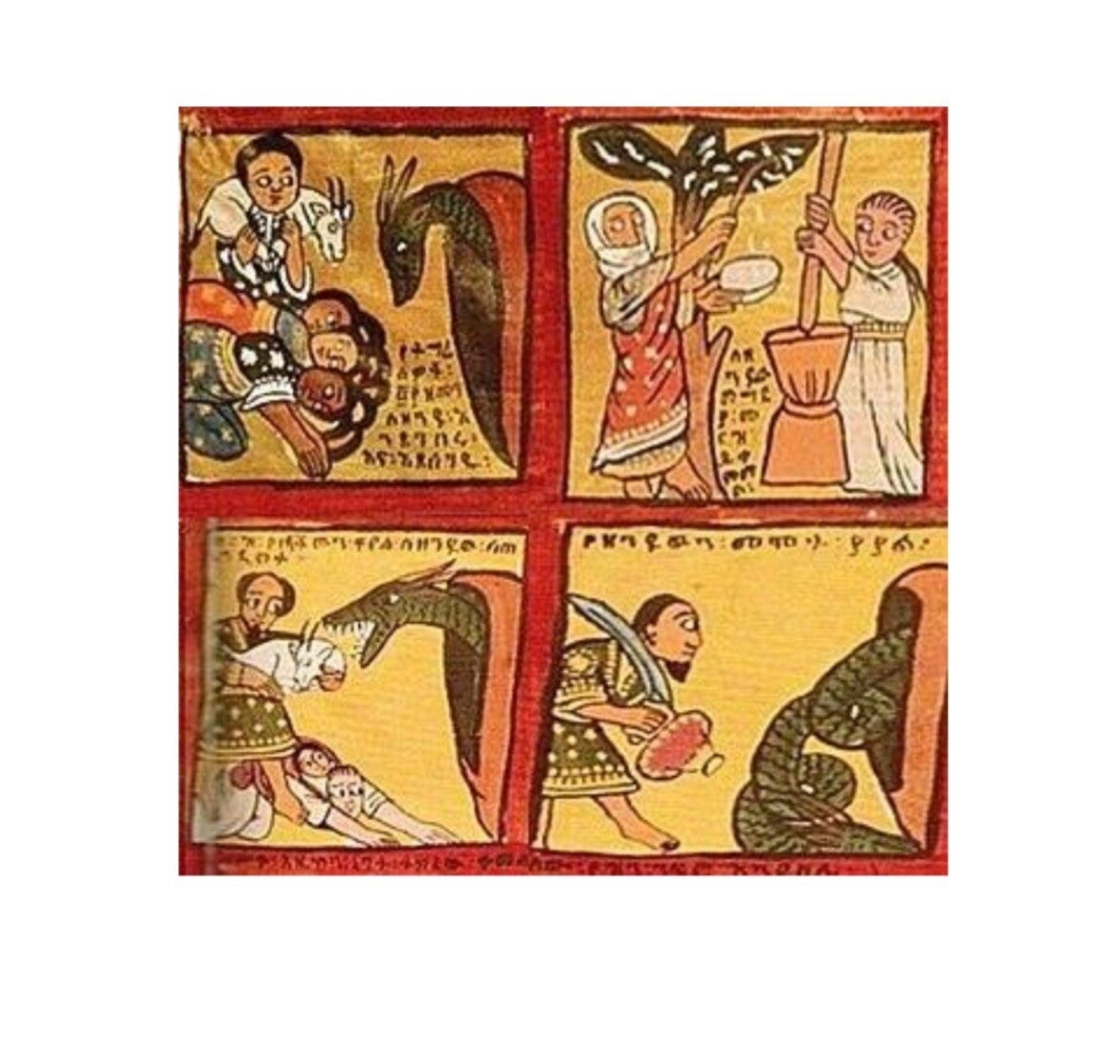
The assignment required us to write a critical essay in which we retold a myth using substantial research and an understanding of how rhetoric has historically been shaped by those in positions of authority. We were expected to examine how women and marginalized groups are often misrepresented or erased within mythological traditions. The purpose was not simply to retell a story creatively, but to analyze the ideological forces that influenced how the myth was recorded, preserved, and circulated. In addition to the written essay, we were required to include a multimodal extension that translated our analysis into a visual or digital form.
The primary audience for this assignment was Dr. Sladky. However, I also wrote with an academic audience in mind, particularly readers interested in rhetoric, historiography, and the study of myth. Because this myth is rooted in the history of my region, I was also conscious of representing the subject with care and intellectual seriousness.
This piece falls within the genre of a critical research essay with a multimodal component. It combines analytical argumentation, historical research, and narrative reconstruction. Rather than accepting the myth as it is traditionally told, I approached it through a critical lens informed by rhetorical theory and scholarship on power and representation.
I selected this artifact because the topic genuinely interested me. The research process was especially compelling because I had never realized the depth of scholarship dedicated to my region’s history. Engaging with these sources expanded my understanding of how narratives are shaped and who benefits from particular versions of history. This project reflects my development as a writer because it demonstrates stronger research integration, clearer analytical framing, and greater confidence in advancing an argument grounded in evidence.
The strengths of this essay lie in the quality of the sources and the way they are incorporated into the argument. The research provides a solid foundation for the retelling and supports the broader claims about rhetoric and power. The narrative itself is engaging, and the project balances storytelling with critical analysis. The multimodal extension also shows an effort to think beyond traditional print and consider how visual rhetoric shapes interpretation.
If I were to revise this piece, I would improve the multimodal component. I would recreate the images used in the extension to ensure they more accurately reflect the historical and cultural context of the myth. I would also refine certain analytical sections to strengthen the connections between rhetorical theory and the reconstructed narrative.
Overall, this artifact represents a meaningful stage in my academic growth. It reflects my ability to engage critically with history, question dominant narratives, and produce research driven writing that is attentive to power, representation, and ethical responsibility.