Preface
This piece was composed for ENGL 3090: Exposition, History, Theory, and Practice. The assignment required students to select a myth from an oral tradition and present it as an audio performance accompanied by a written reflection. The purpose was to develop an understanding and appreciation of oral rhetoric by examining how storytelling functions as a persuasive and cultural act. The focus was on performance, structure, repetition, and audience awareness rather than written analysis alone.
The intended audience for this assignment was Dr. Sladky and my classmates. Because the work was presented aloud, I had to consider delivery, pacing, tone, and clarity. The effectiveness of the piece depended not only on the narrative itself but also on how it was spoken and received in real time.
The genre of this assignment was an oral myth presentation with a reflective component. It combined narrative storytelling with rhetorical analysis of oral techniques such as repetition, cadence, and escalation.
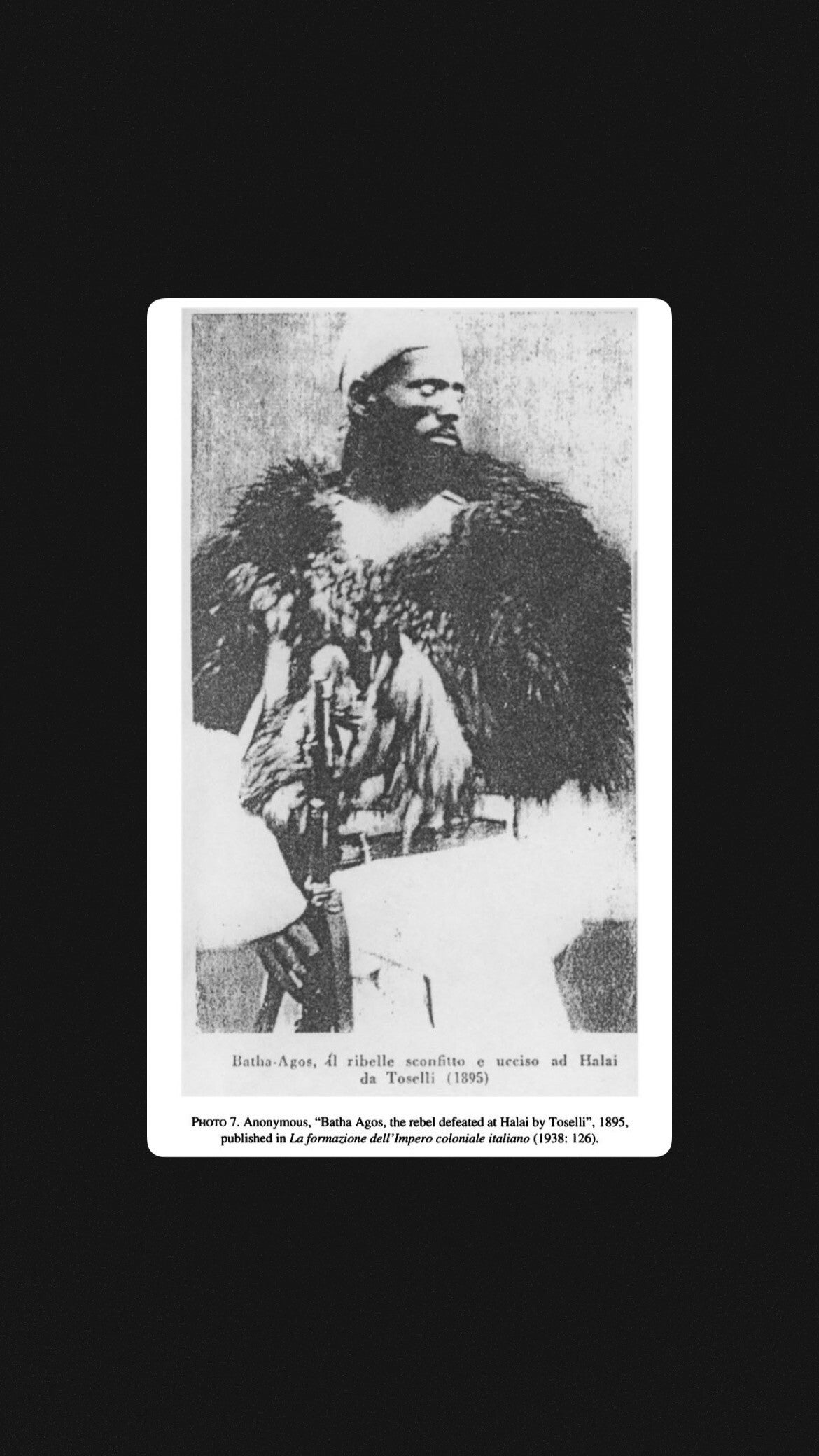
I selected the myth of Bahta Hagos because it connects directly to my cultural background and regional ancestry. Choosing a story from my own heritage made the project personally meaningful and academically engaging. The myth is rooted in a historical figure who resisted European colonization, and presenting it allowed me to explore how oral tradition preserves resistance, leadership, and communal values. This project reflects my development as a presenter, particularly in learning how to use voice, rhythm, and structured repetition to guide an audience.
One of the strengths of this piece is its attention to oral rhetorical elements. The repeated dinner scenes, the recurring phrase “I must go and ask my counsel,” and the gradual escalation of requests create rhythm and tension. The shift from public requests to a private demand intensified the narrative, and the final public response restores moral authority. The structure supports helps listeners remember the story and reinforces the central theme of dignity and collective decision making.
If I were to revise this artifact, I would expand the historical context in the reflection. I would more clearly explain the significance of Bahta Hagos as a real figure who resisted European colonization and situate the myth within that broader historical struggle. I would also refine my vocal delivery by incorporating more deliberate pacing and tonal contrast to strengthen the dramatic turning point.
This artifact represents an important stage in my growth as a rhetorician. It demonstrates my ability to move beyond written analysis and engage rhetoric as performance, cultural memory, and communal expression.